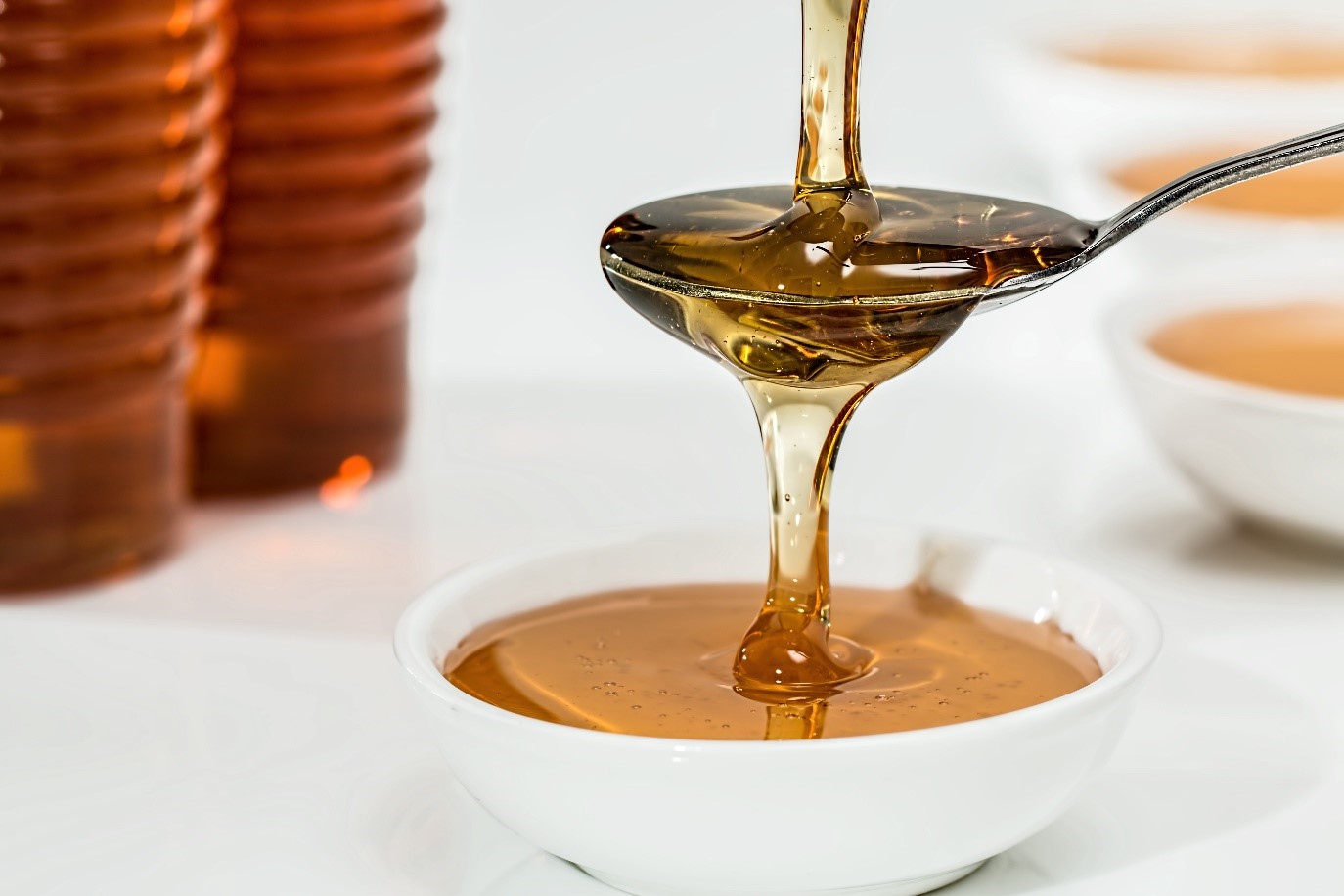
Every heist movie needs a vault, a crew and a prize worth the risk. Ocean's Eleven had a Las Vegas casino. The biggest heist in Canadian history had a warehouse in rural Quebec, a crew with a tanker truck and a prize that was sticky, sweet and worth nearly C$18 million [1].
The target was maple syrup. Not a few bottles from a gift shop, but about 2,700 tonnes of it, taken from the world's only strategic syrup reserve [1]. The story was so absurd that Prime Video turned it into a comedy series, The Sticky, starring Margo Martindale, with Jamie Lee Curtis among its producers [3].
To understand why anyone would steal syrup, you need to know three things: who first made it, why a founding father tried to turn it into a weapon against slavery, and how Quebec ended up running the closest thing the food world has to OPEC.
Long before the pancake: the Indigenous origins
Maple sugaring began with the Indigenous peoples of the northeastern woodlands. The Haudenosaunee, including the Kanien'kehá:ka (Mohawk), tapped trees with wooden spouts, collected sap in birch-bark buckets and boiled it down [4]. They dried much of it into sugar, which kept well and travelled as a trade good [4].
It takes about 40 litres of sap to make one litre of syrup, because sap is only 2–3% sugar [4][5]. European settlers learned the method from their Indigenous neighbours in the 1600s [4]. Today the maple leaf is on Canada's flag, first raised at noon on 15 February 1965 [6].
1790: the sugar that was meant to end slavery
Here is the twist few people know. In the 1790s, sugar in Philadelphia and London meant cane sugar from the West Indies, grown by enslaved Africans. Physician Benjamin Rush and a group of Philadelphia Quakers formed a society to promote maple sugar instead, hoping to cut demand for slave-grown sugar [7].
Thomas Jefferson joined in. In 1790 he wrote that maple sugar could replace cane, and he bought 50 pounds of it [7]. He then planted sugar maples at Monticello, but most of them died [7]. The plan to sweeten America without slavery failed, but it shows how one product on a breakfast table was tied to the biggest moral question of the age.
The cartel in the cold
Fast forward to modern Quebec, which makes about 90% of Canada's maple syrup. Canada, in turn, makes more than 75% of the world's [8]. Since 1966, Quebec Maple Syrup Producers, the producers' association, has set quotas for its members [1]. It also keeps a strategic reserve, warehouses that can hold about 218,000 barrels, to smooth out good and bad harvests [9].
Control the supply, store the surplus, release it when the market is short. If that sounds like oil, it is the same idea.
2011–2012: the heist
From October 2011, thieves worked inside the reserve's warehouse in Saint-Louis-de-Blandford [1]. They siphoned syrup out of the reserve's barrels into their own, then refilled the reserve's barrels with water [1]. From the outside, a sealed barrel of water looks exactly like a sealed barrel of syrup, and a full one weighs about 270 kg, so nobody was lifting them for fun [1].
The scheme came apart in July 2012, during an annual inspection, when an inspector noticed a barrel that nearly toppled over. It was empty, and others he checked held water [1]. Police interviewed more than 300 people and carried out 40 search warrants. Only about 450 tonnes of syrup were recovered [1]. The stolen syrup had been sold through New Brunswick into Ontario and the United States [1].
Four men were convicted, and ringleader Richard Vallières was sentenced to 7 years and 10 months in prison [1]. Buddy from Elf, who counts syrup among the four main elf food groups, would have been appalled [10].
2026: the vault is empty, legally this time
The syrup reserve is now running dry with no thieves involved. In October 2026, the association's president, Luc Goulet, said the reserve had been "reduced to zero" as sales kept rising [2]. The association expects it to be fully empty by February [9].
Part of the reason is politics. American buyers stocked up in 2025 for fear of US tariffs, and Canadian maple exports jumped 15.8% that year [2]. Exports were worth C$844 million in 2025, and the United States took about 64% of them, followed by Germany, the UK, Australia, France and Japan [8].
The other part is the weather. A 2019 study led by researchers at Dartmouth and the University of Massachusetts projects that by 2100 the sugaring season could start about a month earlier. Sap could also hold 28–36% less sugar, so more sap would be needed for the same syrup [11]. The same study expects production to drop in the southern US but rise in Quebec and northern Ontario [11]. Climate change may push the maple belt north, deeper into Canada.
Beyond the bottle: maple's value chain
Syrup is only the start. The same sap becomes maple sugar, maple butter and maple taffy, the sugar shack treat poured on snow [8]. Maple water, the barely processed sap, has become a niche export, with its biggest buyers in France, Belgium, Japan, Australia and Germany, according to CBC News [12]. Each step adds value to the same raw material, and that is where the margin is.
What it means for buyers
- Lock in supply early. With the reserve empty, a poor harvest in spring 2027 would tighten supply quickly. Long-term contracts beat spot buying.
- Watch the tariff talk. The United States still takes nearly two-thirds of Canada's maple exports [2]. Tariff threats change when Americans buy and how much they store.
- Look beyond syrup. Maple sugar, butter and maple water carry higher margins and suit health-food, bakery and premium beverage shelves.
- Sell the origin. "Product of Quebec" and "Product of Canada" mean something to shoppers abroad, especially in Europe and Asia, where demand is growing [2].
The sweetest crime
Maple syrup has been a trade good, a moral cause, a national symbol and the target of a multimillion-dollar heist. Today it is a lesson in how a small, well-organised industry can steer a global commodity, and how weather and politics can still empty the vault.
Nature Shire helps Canadian food and beverage brands, maple producers included, reach buyers worldwide. Follow us on X at @NatureShire for more stories from the food system.
References
- The Canadian Encyclopedia, Great Canadian Maple Syrup Heist.
- BNN Bloomberg (The Canadian Press), Quebec's strategic maple syrup reserve running dry amid high demand (19 October 2026).
- TheWrap, Margo Martindale maple syrup heist series The Sticky (Prime Video).
- Smithsonian National Museum of the American Indian, American Indian magazine, The Indigenous Origins of Maple Syrup, Tony Tekaroniake Evans (Winter 2022).
- BC Cook Articulation Committee, Understanding Ingredients for the Canadian Baker, Maple Syrup.
- Government of Canada, Canadian Heritage, National Flag of Canada Day.
- Thomas Jefferson Foundation (Monticello), Sugar Maple.
- Agriculture and Agri-Food Canada, Statistical overview of the Canadian maple industry, 2025.
- Fortune, Maple syrup strategic reserves, Quebec, and US stockpiling ahead of tariffs (24 October 2026).
- Food Network, The 17 most memorable food scenes in Elf.
- Dartmouth College, Climate change study finds that maple syrup season may come earlier (20 September 2019), on Rapp et al., Forest Ecology and Management.
- CBC News, Quebec tapping into maple water.