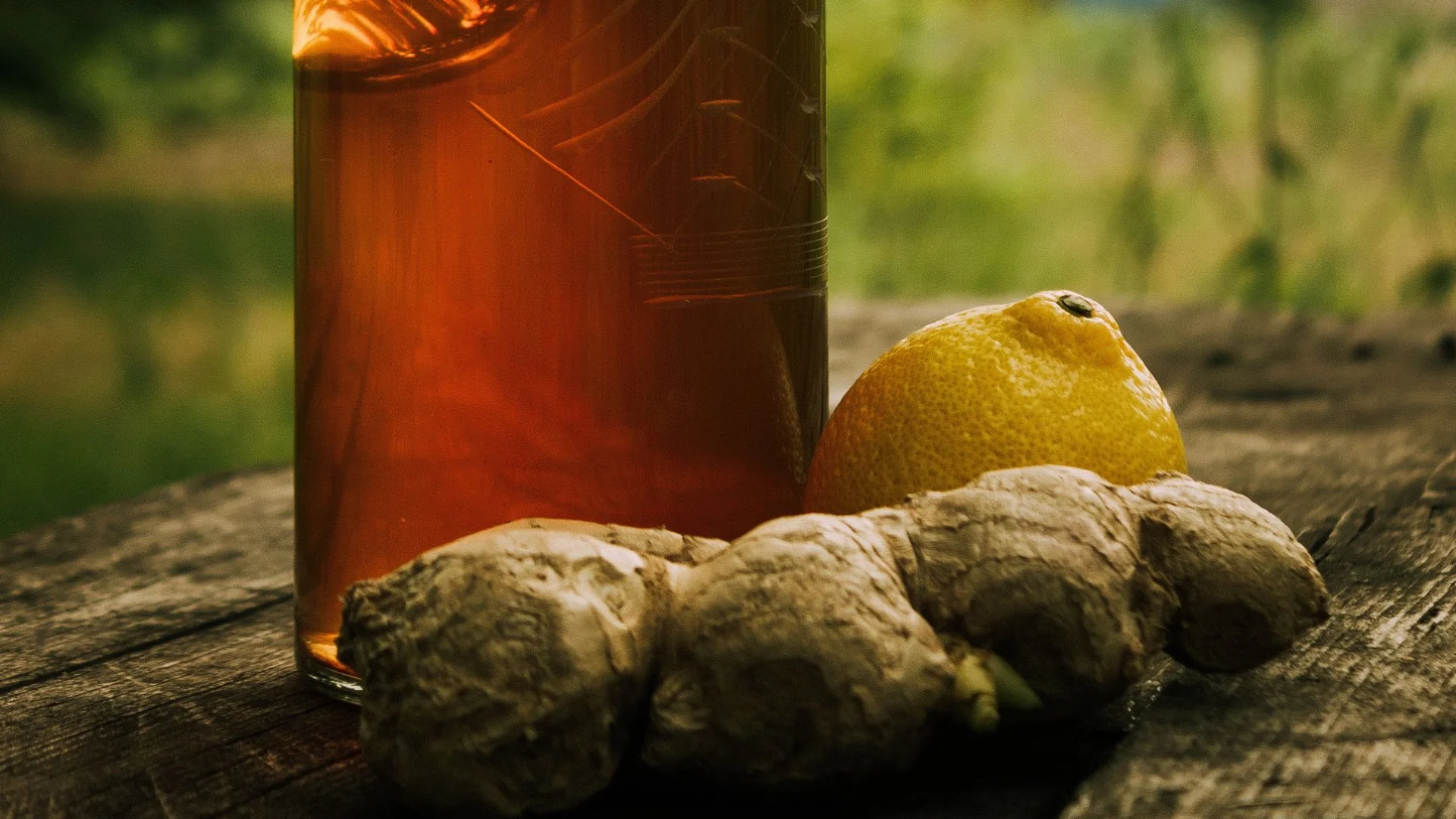
In January 2019, Canada Dry agreed to drop the slogan "Made from Real Ginger" from its cans. Lawyers in a US case said tests found at most trace amounts of ginger, too little to taste [1]. A British Columbia father had filed a similar suit in Canada, and within days the company said it would change its labels on both sides of the border, while maintaining that it does use real ginger extract [1].
It was an awkward moment for one of the most famous drinks ever invented in Canada. The ginger ale that made a Toronto pharmacist famous had travelled a long way from his shop: through American Prohibition, into a multinational and into court. Its story is also a guide to the fastest-growing part of today's drinks aisle: drinks without alcohol.
1890: a pharmacist with a plan
John James McLaughlin graduated from the Ontario College of Pharmacy in Toronto in 1885, then worked at one of Brooklyn's largest pharmacies, where he saw the American craze for soda water [2]. In 1890 he came home to Toronto and opened a business making mineral and soda water near City Hall [2].
His goal was a better ginger ale. Ginger ale at the time was dark and sweet. McLaughlin worked on a lighter, less sugary version, and by 1906 he had launched it as "Pale Dry" [2]. In 1907 he officially registered the name "Canada Dry Pale Dry Gingerale" [2]. The word "dry" was borrowed from wine, and his adverts compared the drink to champagne [3].
McLaughlin died in 1914 and never saw what happened next [2].
1920: Prohibition's favourite mixer
Canada Dry first shipped its ginger ale into the United States in 1919, just before national Prohibition began in January 1920 [3]. By 1921 it had a bottling plant in New York City [3], backed by McLaughlin's brothers [2].
The timing was perfect, in the way only history can manage. Bootleg liquor was often harsh, and Canada Dry's crisp flavour helped hide it. Gin and ginger ale became one of the era's most popular drinks, and a large share of the company's 1920s sales came from people using it as a mixer [3]. A soft drink created by a Toronto pharmacist found its fortune in America's speakeasies.
2019: the ginger question
Ginger ale has long been the drink people reach for when they have an upset stomach, which is exactly why the "Made from Real Ginger" claim mattered. The plaintiffs argued the slogan suggested a natural remedy, when the ginger flavour came mostly from other ingredients and a very small amount of extract [1]. The brand, now owned by Keurig Dr Pepper, dropped the slogan [1].
The lesson for every beverage brand is the same one Red Bull learned with its "wings" (see our energy drinks article): a word on a label is a promise, and someone will eventually test it.
2026: the zero-proof boom
A century after Prohibition, Canadians are choosing to drink less on their own. In January 2023, the Canadian Centre on Substance Use and Addiction advised that Canadians should consider limiting themselves to two drinks or fewer a week, and said that three to six drinks a week carries moderate risk [4].
The market has followed. Sales of non-alcoholic beer, wine and spirits in Canadian stores reached C$199 million in 2024, up from C$137 million in 2022, according to NielsenIQ data [5]. Non-alcoholic beer makes up about three-quarters of that, and non-alcoholic spirits are the fastest-growing category [5]. Adults in their 20s and early 30s drive much of the growth, and a third of consumers say they are drinking less than a year earlier for their health [5]. Liquor sales in Canada are falling too [6].
The biggest winners are not always new start-ups. Labatt and Molson together hold most of the non- and low-alcohol beer market [5]. But there is room for smaller producers making natural sodas, botanical tonics and craft alcohol-free drinks, the modern descendants of McLaughlin's pale dry.
What it means for buyers
- The no-alcohol aisle is real. Non-alcoholic beer, wine and spirits are growing fast in Canada, and the trend is led by younger adults [5].
- Ingredients must match the label. If a drink says "real ginger" or "natural", buyers should ask for the recipe proof. Canada Dry's case shows what happens when they don't match [1].
- Mixers are a market in themselves. Prohibition made ginger ale famous as a mixer. Today, premium mixers and alcohol-free alternatives sell on the same shelf.
- Canadian provenance travels. "Canada" has been part of a global drinks brand for more than a century. Craft Canadian sodas and alcohol-free drinks can use that origin story too.
Dry, then and now
John McLaughlin wanted to make a ginger ale as elegant as champagne. Prohibition made it famous, a lawsuit made it humbler, and a new generation of drinkers who want the ritual without the alcohol is making it relevant again. "Dry" has come full circle.
Nature Shire helps Canadian food and beverage brands reach buyers worldwide. Follow us on X at @NatureShire for more stories from the food system.
References
- CBC News, Canada Dry ginger ale lawsuit (January 2019).
- Dictionary of Canadian Biography, McLaughlin, John James.
- Mashed, The untold truth of Canada Dry.
- Global News, Canada's new alcohol guidance (17 January 2023), on the Canadian Centre on Substance Use and Addiction's Canada's Guidance on Alcohol and Health.
- Invest Nova Scotia, Non-alcoholic beer in Canada (market report, 2025), using NielsenIQ data.
- CTV News, Canada's alcohol sales drop as consumption habits shift: StatCan (11 March 2026).